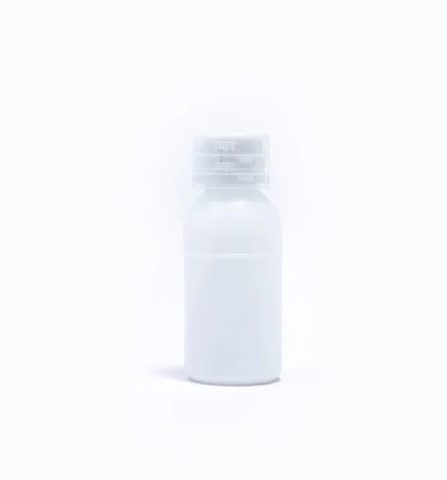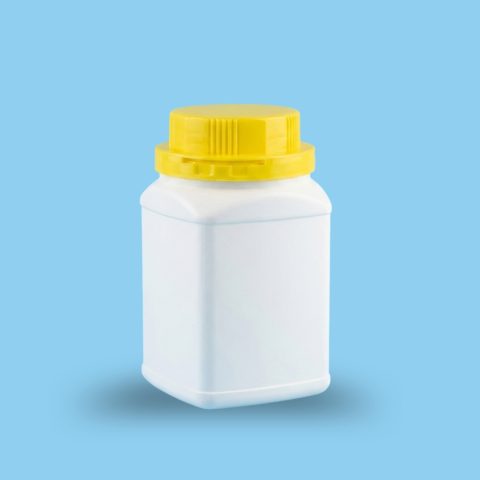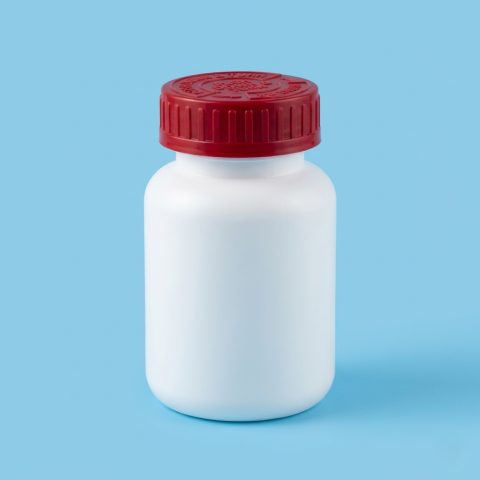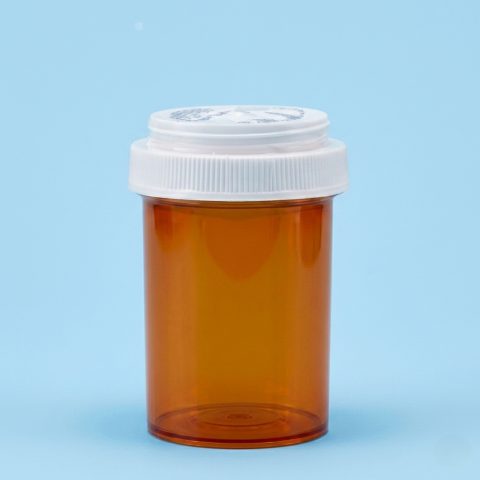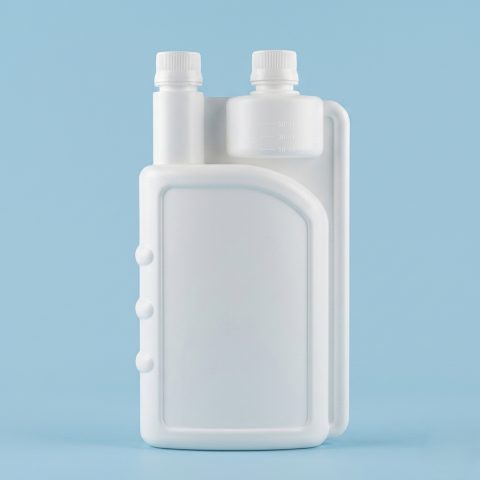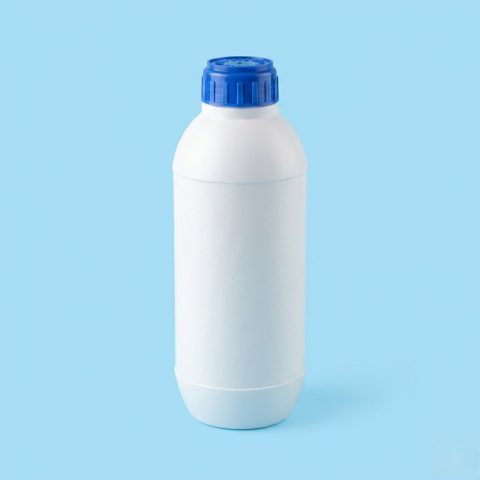
Check more than the cap diameter
Two caps that look similar may have different threads, heights or sealing arrangements. Matching the approximate diameter alone is not enough.
Ask your packaging supplier for the bottle’s neck specification and the recommended closure. Where drawings are available, compare the bottle and cap specifications before ordering samples.
Choose the complete closure combination
A packaging system may include a screw cap, inner plug, liner or induction seal. Each component needs to work with the others.
Before selecting a combination, explain:
What you will pack and its intended fill volume.
Whether the container will be opened repeatedly.
Whether you need controlled pouring or dispensing.
Whether tamper evidence or a child-resistant closure is required.
A cap that fits mechanically still needs evaluation with the actual contents.
Test on your filling line
Approve the bottle and closure together. During a trial, check cap application, opening effort, sealing performance and compatibility with your equipment.
Use the closure supplier’s recommended settings rather than assuming that tighter is always better. Record the approved combination so repeat orders use the same specification.
Start with an approved sample
Keep a labelled bottle-and-cap sample as a reference for purchasing, production and incoming inspection.
Need packaging for your product?Tell us your product, capacity and quantity, and we'll recommend the right container and send a quote.
Get a quote