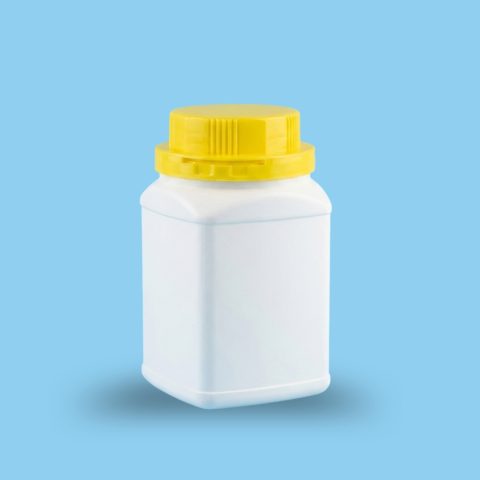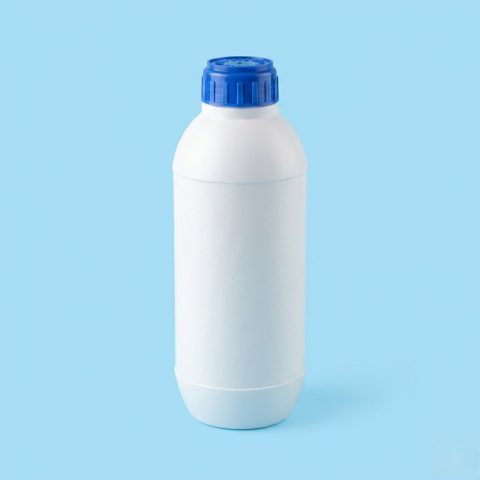
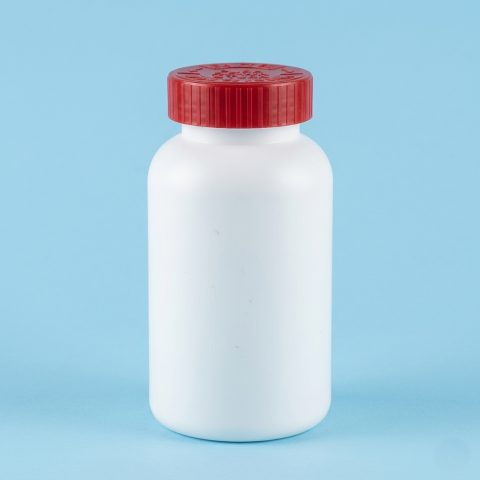
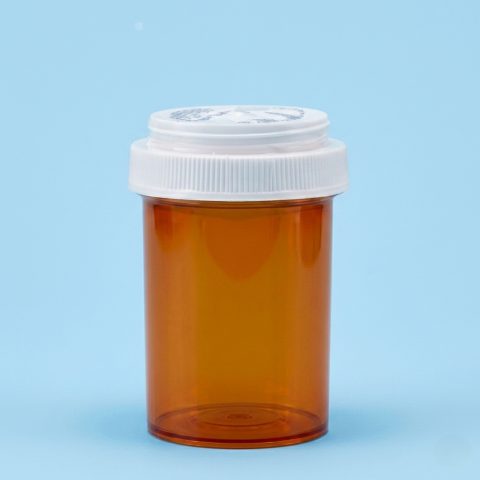
Pharmaceutical HDPE Bottles: Types, Sizes and How to Choose
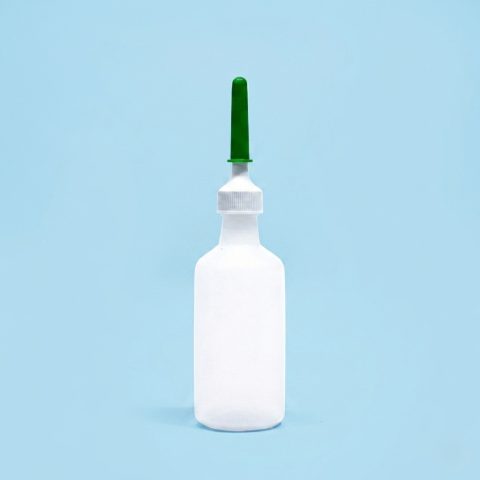
A guide to pharmaceutical HDPE bottles: syrup and dry syrup bottles, tablet containers, CRC bottles, vials and enema bottles, with sizes, closures and quality checks.
· 2 min read

Practical advice on choosing the right bottle, jar or can, plus explanations of quality standards and manufacturing.
A guide to pharmaceutical HDPE bottles: syrup and dry syrup bottles, tablet containers, CRC bottles, vials and enema bottles, with sizes, closures and quality checks.
· 2 min read
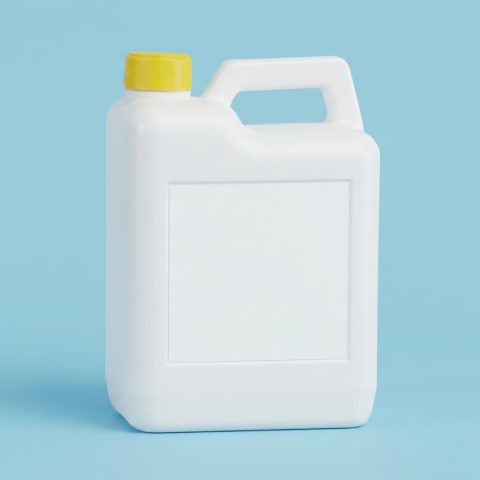
Square HDPE jerry cans and carboys from 2.5 to 10 litres: why buyers choose square cans, typical uses, caps, and how they are packed for export.
· 2 min read
How to choose HDPE chemical bottles: which chemicals HDPE resists, 1 litre and 2.5 litre chemical bottles, caps and liners, and how to test compatibility.
· 2 min read
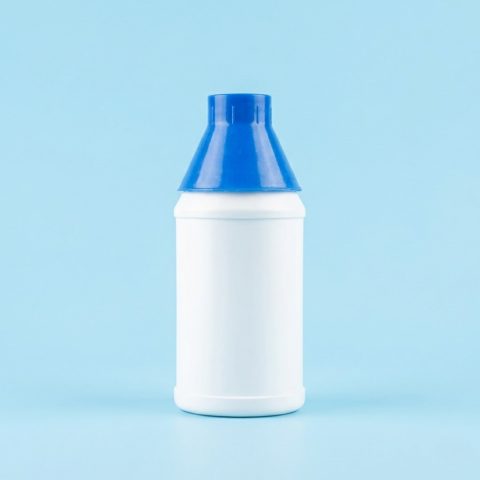
Round, flat, triangular, long neck, black cap, AK type and twin neck HDPE bottles: what each shape is for, typical sizes and how to pick the right one.
· 2 min read
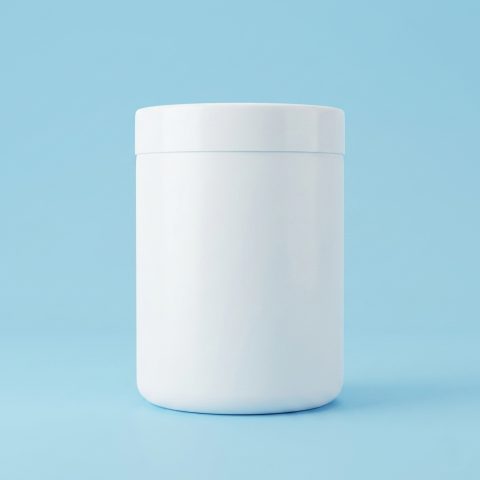
HDPE pharmaceutical square jars from 50 g to 2 kg, including CRC cap and 2 kg jar with handle: uses, how to pick a size, closures and scoops.
· 2 min read
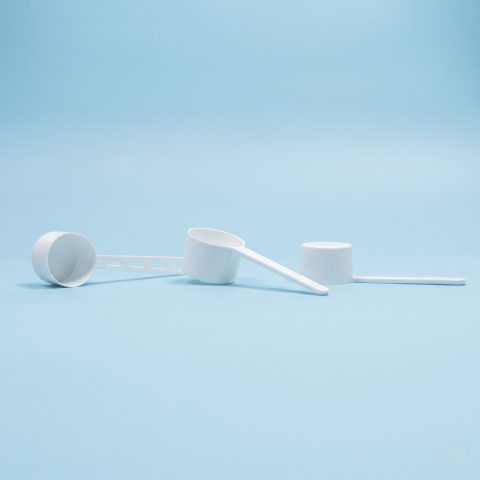
How to choose plastic measuring spoons and scoops for protein, nutraceutical and pharma powder jars: dose size, material, handle length and packing.
· 2 min read
The main benefits of HDPE bottles: strength, chemical and moisture resistance, light weight, safety, recyclability and cost, plus when PET or glass is a better choice.
· 2 min read
How to find and compare HDPE bottle manufacturers in India: what to check on quality, range, moulds, documents, MOQ, lead time and export, with a supplier scorecard.
· 4 min read
Understand a plastic bottle spec sheet: filling vs brimful capacity, bottle weight, height, diameter, neck size, cap details and tolerances, with a real example.
· 2 min read
HDPE means high-density polyethylene (recycling code 2): a strong, light plastic used for bottles, jerry cans, jars and milk cans. Meaning, properties and uses.
· 2 min read
Learn what pharmaceutical QA auditors check when qualifying an ISO 15378 primary plastic packaging supplier, from clean-room moulding to in-process leak testing.
· 5 min read
Why do standard HDPE bottles collapse or panel when filled with solvent-based pesticides? Learn how 4-layer COEX barrier bottles prevent solvent permeation.
· 3 min read
Importing pharmaceutical HDPE bottles from India? Understand USP Class VI, Drug Master File (DMF), and TSE/BSE compliance requirements for USA, EU & GCC buyers.
· 5 min read
Understand the difference between push-and-turn Child-Resistant Closures (CRC) and Tamper-Evident (TE) caps, and see which HDPE bottles and jars support CRC.
· 4 min read
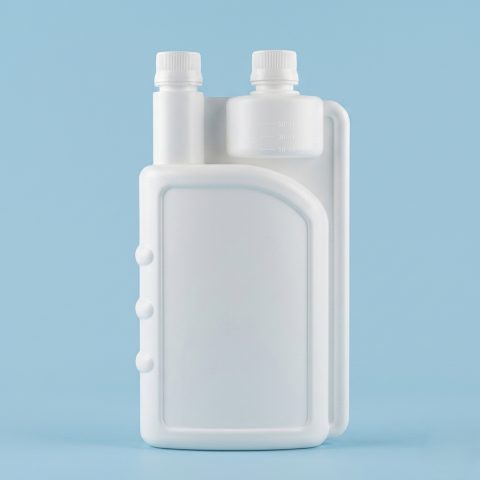
Discover how Twin-Neck "Dose and Pour" HDPE bottles (100 ml to 1 Ltr) with built-in graduated measuring chambers improve accuracy and safety for agrochemicals and veterinary liquids.
· 4 min read
Choosing between HDPE, PET, PP, and LDPE for your bottles, jars, or closures? Compare moisture barrier, chemical resistance, clarity, and flexibility.
· 5 min read
Sourcing HDPE pesticide bottles? The 6 quality checks to ask your supplier for: resin, wall thickness, leak, drop, stress-crack and stack-load testing.
· 4 min read
Want to develop a custom HDPE bottle, jar, or closure in India? Learn our 5-step process covering 3D prototyping, mould tooling, lightweighting, and line trials.
· 5 min read
Stop bottle leakage during shipping and export. Compare aluminium foil induction heat-seal wads, EPE foam liners, inner plugs, and vented caps for HDPE containers.
· 5 min read
Complete guide to choosing wide-mouth HDPE round jars, square jars (50 g to 2 kg), tablet containers, and dosing scoops for nutraceutical, whey protein, and Ayurvedic brands.
· 4 min read
Choosing a bottle usually starts with capacity and shape. However, the bottle neck and closure deserve equal attention. A suitable container needs a cap that fits correctly and works with the product, filling process and intended use.
· 2 min read
A practical checklist for importing HDPE pharmaceutical bottles, jars and closures from India: ISO 15378, USP Class VI, DMF support, samples, line trials and shipping.
· 3 min read
Standard sizes for HDPE bottles, jerry cans, milk cans, powder jars and tablet containers, and how to pick the right size for your product and fill volume.
· 2 min read
How to work out how many grams of powder fit in a jar, using bulk density, with simple worked examples and tips for choosing between round and square jars.
· 2 min read
A practical comparison of HDPE and PET bottles for tablets, syrups and powders: moisture barrier, clarity, chemical resistance and cost.
· 2 min read
Capacity, shape, handle, neck size and material: a buyer's checklist for HDPE jerry cans used for pesticides, fertilisers and industrial chemicals.
· 2 min read
Round bottles, flat bottles, bolus containers, powder jars and cans: a guide to veterinary packaging formats and when to use each one.
· 2 min read
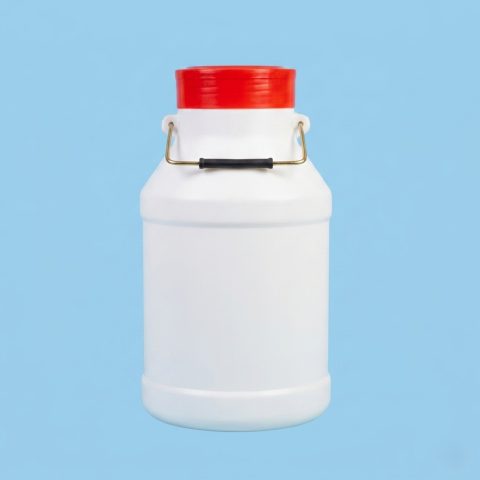
Sizes, push cap vs threaded cap, big-mouth cans and cleaning: what to consider when buying HDPE milk cans and barni.
· 2 min read
Round or square jar? Which size? Which scoop? A practical guide to packaging protein and nutraceutical powders in HDPE jars.
· 2 min read
What "30 cc" or "150 cc" means, how to estimate how many tablets fit, and how to choose the right tablet container size.
· 2 min read
A simple explanation of blow moulding and injection moulding, which products each process makes, and what it means for buyers.
· 2 min read
HDPE (resin code 2) is one of the most widely recycled plastics. How brands can make their plastic packaging more sustainable.
· 2 min read
Pharmacy prescription vials are sized in drams. What a dram is, the approximate volume of common vial sizes, and how pharmacies choose them.
· 2 min read
At 1 to 5 litres you can choose a bottle, jerry can or carboy. How handling, pouring, storage and cost affect the choice.
· 2 min read
Tell us the product, capacity and quantity. We'll send a quote with MOQ and lead time.