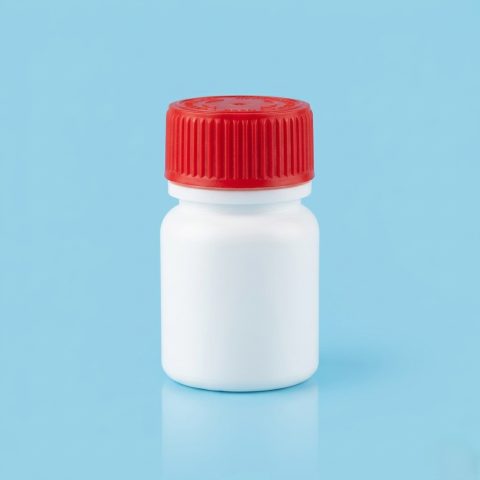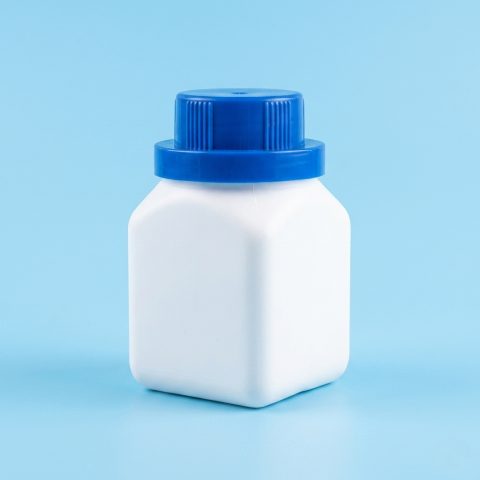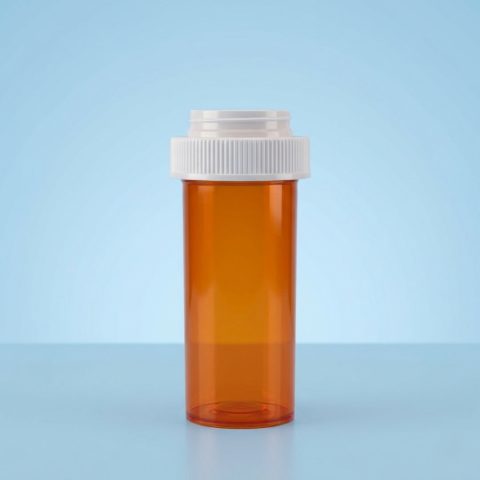
When pharmaceutical, veterinary, and nutraceutical companies in North America, Europe, the Middle East, and Africa import primary plastic packaging, buyers and regulators usually expect three core material credentials alongside ISO 15378: USP Class VI (proving the plastic resin exhibits zero biological reactivity or toxicity in vivo), Drug Master File (DMF) registration (allowing drug makers to reference packaging specifications in regulatory submissions), and TSE/BSE-Free Certification (confirming no animal-derived tallow or stearates pose prion contamination risks).
Why International Pharma Buyers Cannot Use Uncertified Plastic Containers
When a pharmaceutical brand in the United States, Canada, Ireland, Saudi Arabia, or Kenya files an Abbreviated New Drug Application (ANDA) or local Ministry of Health dossier, the regulatory agency examines the Container Closure System (CCS) just as closely as the active pharmaceutical ingredient (API). If the bottle or cap supplier cannot provide traceable resin compliance certificates, the entire drug registration can be delayed for months.
At Modern Plaspack LLP, we export HDPE, PP, and PET containers from our three plants in Chhatral GIDC, Gujarat, to 14 countries and regions—including dedicated supply programs for the USA & Canada, the Middle East & GCC, and Africa. Below is a clear breakdown of each regulatory credential we provide to qualify our containers for your dossier.
Breakdown of Essential Pharmaceutical Packaging Credentials
| Regulatory Credential | Governing Body / Framework | What It Proves About the Container & Closure | Which Buyers Require It |
|---|---|---|---|
| USP Class VI (USP <88>) | The virgin HDPE, PP, or PET resin has passed Systemic Injection, Intracutaneous, and Implantation biological reactivity tests with zero toxicity. | All US, Canadian, European, GCC, and WHO-GMP pharmaceutical & veterinary manufacturers | |
| Drug Master File (DMF) | Detailed confidential technical file covering resin formulation, additives, manufacturing facilities, and packaging specifications. | Solid oral dosage (Tablet Containers), dry syrup, and export pharma brands | |
| TSE / BSE Free Statement | Confirms that any slip agents, anti-stats, or stearates used in the polymer resin or colour masterbatch are plant/synthetic-derived and free from Transmissible Spongiform Encephalopathy / Bovine Spongiform Encephalopathy. | Commonly required for human and veterinary medicinal packaging | |
| ISO 15378 Compliance | Certifies Good Manufacturing Practice (GMP), clean-room environment, risk management, and batch traceability for primary medicinal packaging (Quality Control). | Global pharma QA auditors and contract manufacturing organizations (CMOs) | |
| ISO 9001:2015 | Certifies consistent quality management systems, customer satisfaction, and continuous improvement across all 3 manufacturing plants. | All domestic and international B2B procurement teams |
Deep Dive: How Each Standard Protects Your Medicinal Product
1. USP Class VI (Biological Reactivity In Vivo)
The United States Pharmacopeia classifies plastics into six classes (Class I through Class VI), with Class VI being the most stringent. To pass USP <88> Class VI testing, extracts of the plastic material are prepared in polar and non-polar media at elevated temperatures (50 °C, 70 °C, or 121 °C) and tested to verify that no leachables or extractables cause biological irritation or systemic toxicity. By moulding our Pharmaceutical Packaging exclusively from 100% virgin USP Class VI compliant HDPE, PP, and PET resins, we ensure your tablets, capsules, and oral liquids remain pure throughout their shelf life.
2. TSE / BSE Free Declarations (Why Polymer Additives Matter)
Many buyers wonder how a petroleum-derived plastic like polyethylene (HDPE) or polypropylene (PP) could ever carry a risk of Bovine Spongiform Encephalopathy ("mad cow disease"). The risk comes not from the base monomer, but from calcium stearate or zinc stearate additives used as catalyst neutralizers and mould-release agents during polymer resin production, as well as white titanium dioxide (TiO₂) masterbatches. If those stearates are rendered from animal tallow, they violate pharma safety rules. All resins and masterbatches used by Modern Plaspack LLP are certified TSE/BSE-free.
3. Drug Master File (DMF) & Supplier Qualification Packages
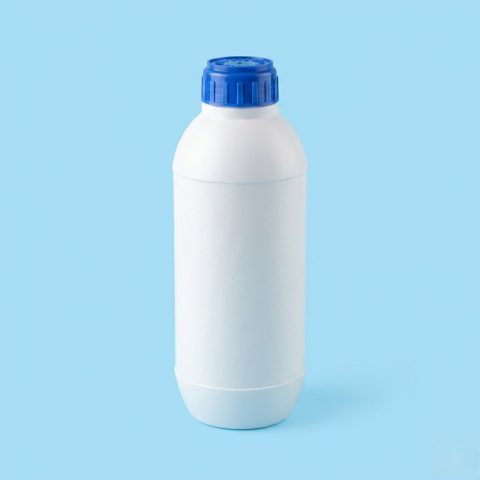
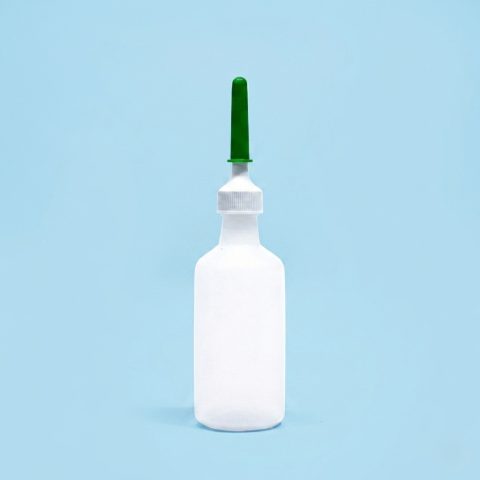
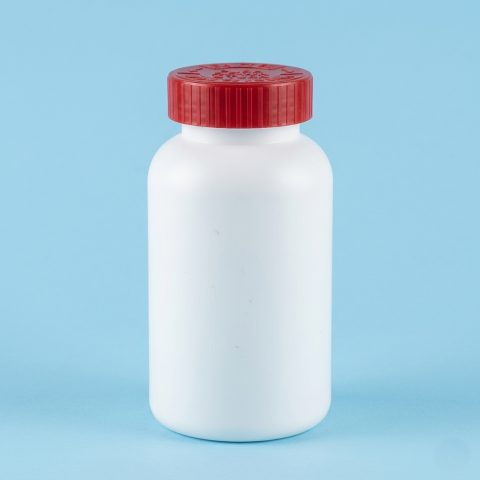
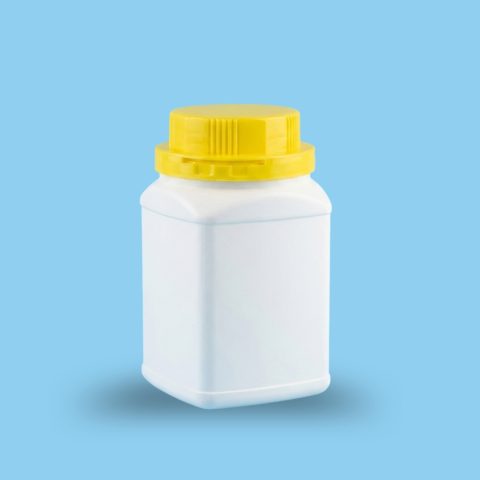
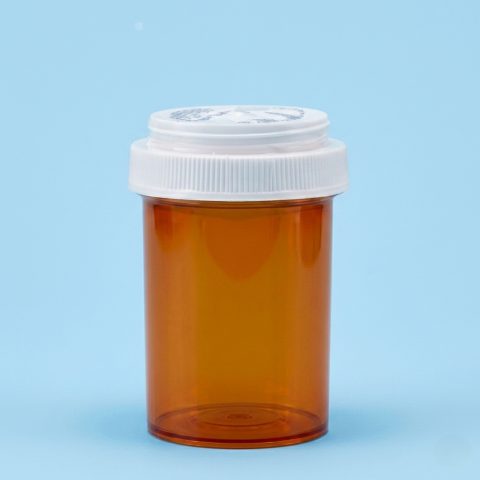
When sourcing HDPE Packer Bottles, Tablet Containers (30 cc to 900 cc), Square Jars (50 g to 2 kg), or Prescription Vials (9 to 60 Dram), your regulatory affairs team needs a complete qualification package. We supply dimensional engineering drawings, COA per shipment, resin DMF/USP Class VI certificates, TSE/BSE statements, and ISO 15378 / ISO 9001:2015 documentation.
Related guide: USP Class VI and TSE/BSE Free: What These Terms Mean for Plastic Packaging
Frequently asked questions
How quickly can Modern Plaspack share regulatory documents for supplier qualification?
When you request a quote or sample via our Contact Us page, let our export team (export@modernplaspackllp.com) know which regulatory documents your QA team requires. We provide our standard qualification documentation package alongside your quotation and sample shipment.
Do you export palletized and carton-packed pharma bottles by ocean freight?
Yes. All export orders are packed in clean, dust-free polybags inside heavy-duty corrugated export cartons (floor-loaded or palletized with stretch-wrap as required by your warehouse) and shipped from Gujarat's west-coast ports to the USA & Canada, Middle East & GCC, Europe, and Africa.