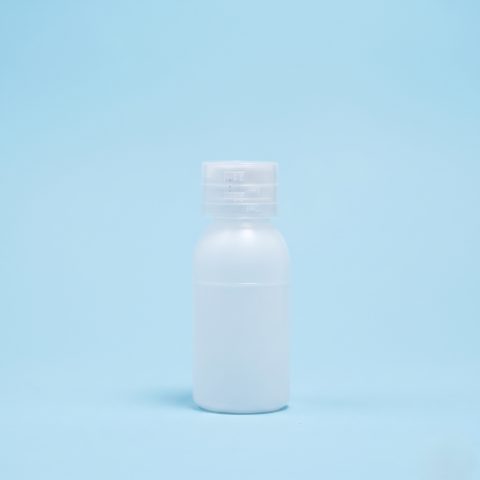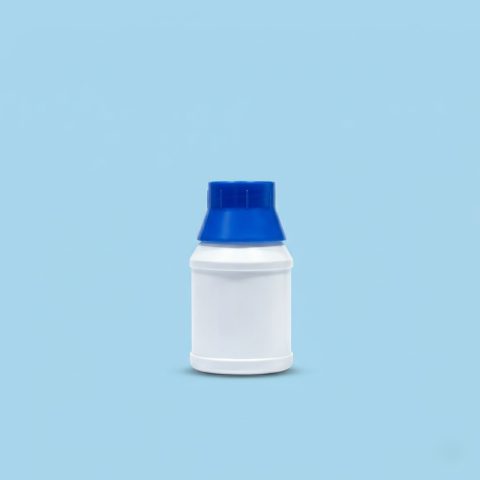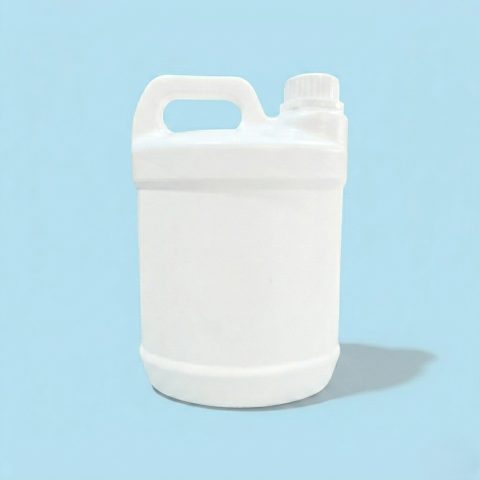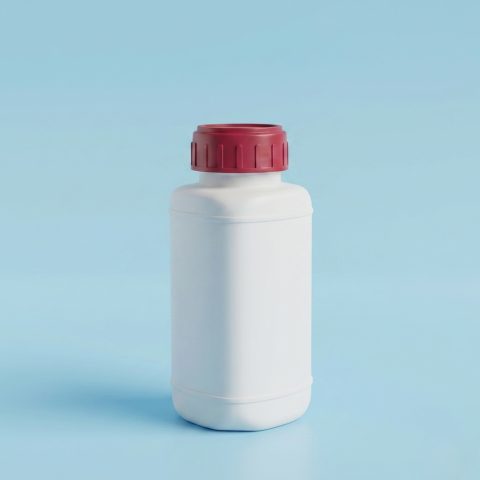
Standard monolayer HDPE bottles work reliably for water-based liquids, suspension concentrates (SC), and powders, but organic solvents (such as xylene, aromatic hydrocarbons, and ketones used in Emulsifiable Concentrate [EC] pesticides and industrial chemicals) slowly permeate through plain HDPE walls. This causes weight loss, odour escape, label peeling, and inward wall collapse known as "panelling." 4-Layer Co-Extruded (COEX) barrier bottles solve this by combining a rugged HDPE structural body with an internal barrier layer that blocks solvent migration and oxygen ingress.
Why Standard Plastic Bottles Collapse ("Panel") With Solvent Formulations
If you formulate agrochemical pesticides, solvent-based industrial cleaners, essential oils, or specialty automotive chemicals, you may have seen a bottle leave the factory looking pristine—only to arrive at the distributor's warehouse with sunken, deformed walls and peeling labels.
This defect—called bottle panelling or bloating/collapse—happens through two physical mechanisms:
- Hydrocarbon & Solvent Permeation: Non-polar organic solvents dissolve into amorphous regions of standard monolayer High-Density Polyethylene (HDPE) and evaporate through the microscopic polymer matrix into the outside air. As vapour escapes, internal volume drops, creating a partial vacuum that sucks the bottle walls inward.
- Oxygen Absorption by the Formulation: Certain active ingredients react with headspace oxygen inside the sealed bottle, reducing internal gas pressure and collapsing thin or unbarried container walls.
How a 4-Layer Co-Extruded (COEX) Bottle Works
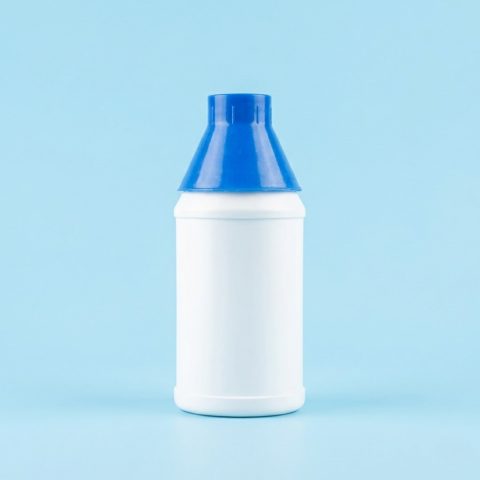
To package aggressive solvent-based formulations without resorting to breakable glass or expensive fluorinated containers, Modern Plaspack LLP manufactures specialized multi-layer packaging such as our 250 ml 4-Layer Bottle.
In multi-layer co-extrusion blow moulding, four distinct polymer streams are extruded simultaneously into a single unified bottle wall:
- Outer Structural Layer (Virgin HDPE): Provides impact resistance, drop strength, moisture barrier, and a smooth, print- and label-ready exterior surface.
- Structural Core Layer: Enhances top-load stacking strength so cartons do not crush in warehouse storage.
- Adhesive Tie Layer: Chemically bonds the non-polar HDPE structural wall to the polar inner barrier layer to prevent delamination.
- Inner Barrier Layer: Forms a continuous, solvent-impermeable shield that blocks hydrocarbon vapour escape and prevents oxygen permeation.
Monolayer HDPE vs. 4-Layer COEX Barrier Bottles: Selection Matrix
| Formulation / Product Type | Recommended Bottle Construction | Why This Option Fits Best | Recommended Modern Plaspack Product |
|---|---|---|---|
| Emulsifiable Concentrates (EC) with Xylene / Aromatic Solvents | 4-Layer COEX Barrier Bottle | Prevents solvent evaporation, pungent chemical odour, label blistering, and wall panelling | 250 ml 4-Layer Bottle & custom COEX sizes (Custom Moulds) |
| Aqueous Agrochemicals (SL, SC), Foliar Fertilizers & Bio-Stimulants | Heavy-Duty Monolayer HDPE | Water-based liquids do not permeate HDPE; ribbed or AK-type walls provide high impact strength | AK Type Bottles & Round Bottles |
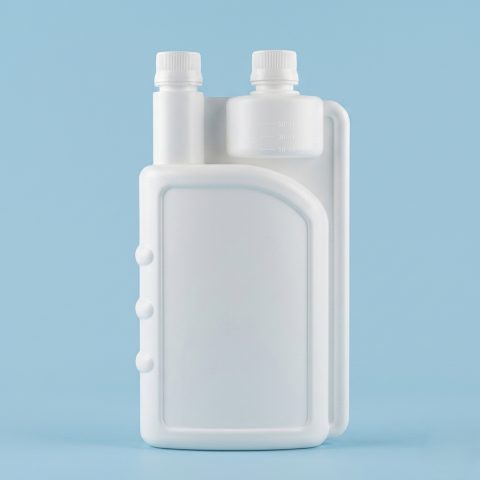
| Concentrated Pesticides Requiring Field Measuring | Twin-Neck Monolayer HDPE | Built-in graduated chamber allows farmers to measure exact ml doses without touching the chemical | Twin Neck Bottles (100 ml to 1 Ltr) |
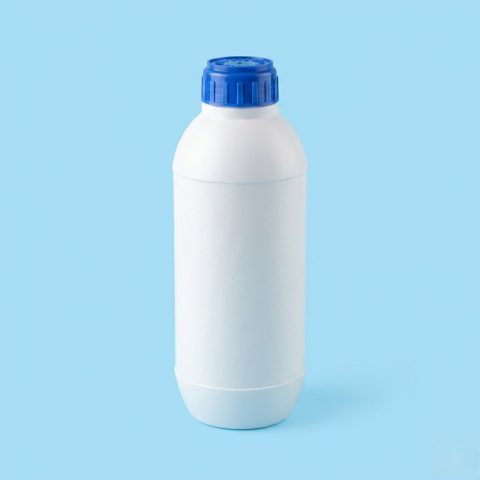
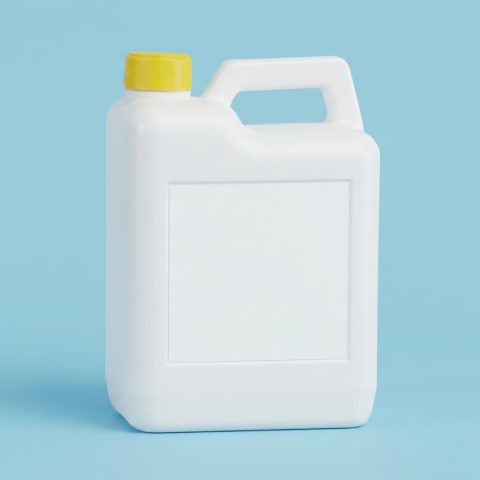
| Industrial Acids, Alkalis, Peroxides & Bulk Cleaners (1 Ltr to 10 Ltr) | Thick-Wall Chemical HDPE Bottle or Carboy | Virgin high-molecular-weight HDPE resists strong acids and alkalis; pair with vented or induction caps | 1 Ltr & 2.5 Ltr Chemical Bottles & Jerry Cans |
How to Test Barrier Compatibility Before Bulk Production
Even with a 4-layer COEX bottle or a heavy-wall HDPE chemical bottle, every chemical formulation has a unique solvent profile. Before ordering in volume, we recommend running an accelerated 14-day oven stability test at 45°C to 50°C:
- Fill 10 sample bottles to nominal capacity with your actual chemical formulation.
- Seal the necks using solvent-resistant aluminium foil induction wads and apply standard torque to the screw caps (see our guide on Induction Seals and Tamper-Evident Caps).
- Weigh each bottle to 0.1 g precision on Day 0, store in a 50°C hot-air oven for 14 days, and re-weigh on Day 7 and Day 14 to verify zero weight loss, zero wall panelling, and intact induction seal adhesion.
Related guide: Pesticide Bottle Packaging: Choosing Safe, Leak-Proof Containers for Agrochemicals
Frequently asked questions
What sizes of 4-layer COEX and agrochemical bottles does Modern Plaspack manufacture?
Our standard catalog includes the 250 ml 4-Layer Bottle alongside 31 models of Round Bottles (30 ml to 2.5 Ltr), 6 models of AK Type Bottles (100 ml to 1 Ltr), 8 models of Flat Bottles (100 ml to 1 Ltr), and 4 models of Triangular Bottles (100 ml to 1 Ltr). Additional COEX capacities can be developed via our Custom Moulds team.
Which closure prevents leakage on 4-layer and agrochemical bottles?
We supply matching tamper-evident screw caps paired with inner plugs or solvent-resistant aluminium induction heat-seal liners. Read our Pesticide Bottle Packaging Guide for more details on agrochemical closures.