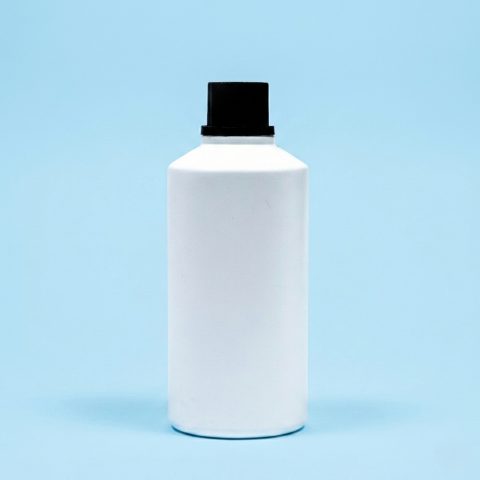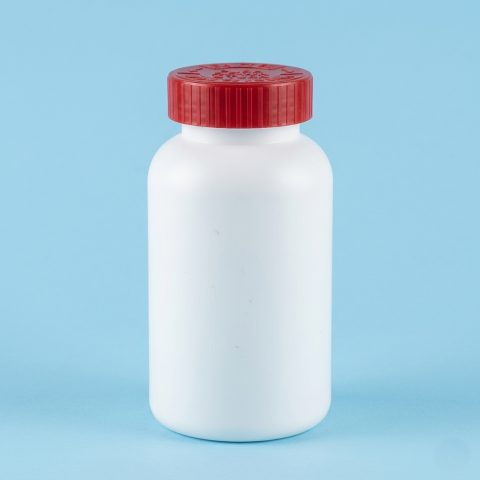
Tablet container sizes are given in cc, and 1 cc equals 1 ml, so a 150 cc container holds about 150 ml when full. How many tablets fit depends on their size and shape, so the reliable method is a fill trial with your own tablets, leaving room for cotton or desiccant.
Tablet containers are usually described by volume in cc (cubic centimetres, the same as ml), by fill weight in grams, or by tablet count. Here is how to make sense of these figures.
What "cc" means
1 cc equals 1 ml. A "150 cc" container holds about 150 ml when filled to the brim. This is called the overflow capacity. Your usable fill volume is always a little lower, because you need headspace for the cotton, desiccant or seal.
Estimating tablet count
How many tablets fit depends on their size, shape and how they settle. There is no reliable formula, so the best approach is:
- Fill a sample container with your actual tablets.
- Leave room for the cotton or desiccant.
- Count, then add a safety margin for batch variation.
Common uses by size
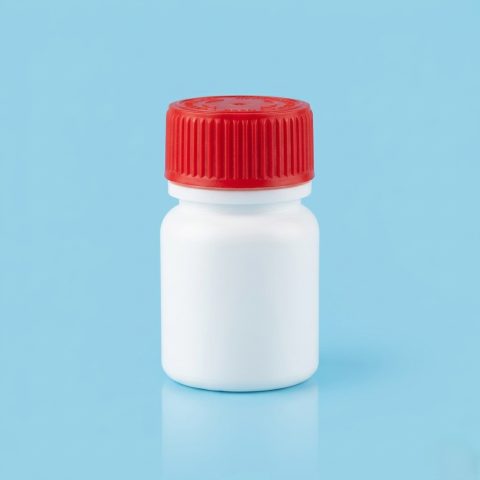
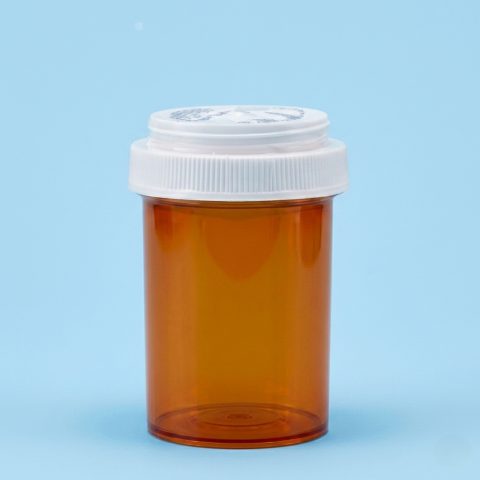
- 30 cc – 50 gm CRC bottles: small counts, often with child-resistant caps.
- 100 – 150 cc: standard retail packs of tablets and capsules.
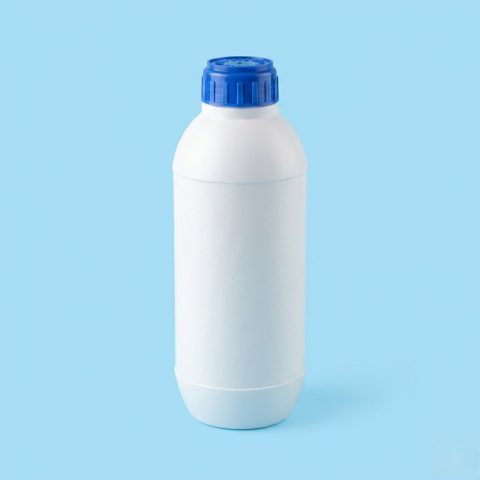
- 750 – 900 cc: large counts, hospital and bulk packs.
- Boli containers: sized by the number of large veterinary boluses.
Other things to check
- Neck size, and whether it fits your capping equipment
- CRC or standard cap
- Induction wad for a moisture-tight seal
- Label height and diameter
Our tablet container pages list detailed dimensions for line trials. View tablet containers.
Frequently asked questions
What does cc mean on a tablet bottle?
cc means cubic centimetres; 1 cc = 1 ml. It is the container's brim-full volume.
How many tablets fit in a 100 cc bottle?
It depends on tablet size and shape. Fill a sample bottle with your tablets, leave headspace and add a safety margin.