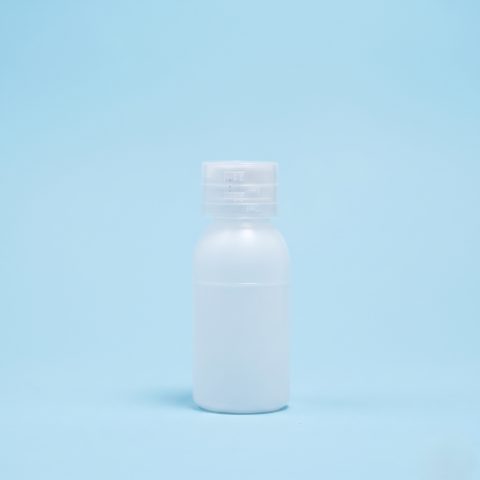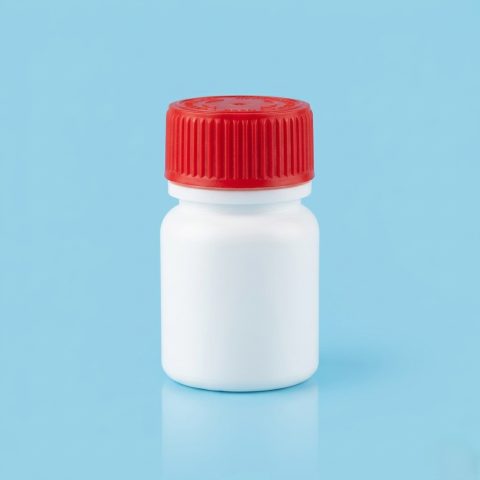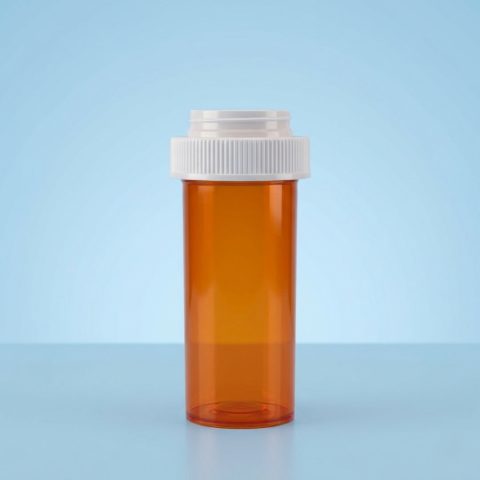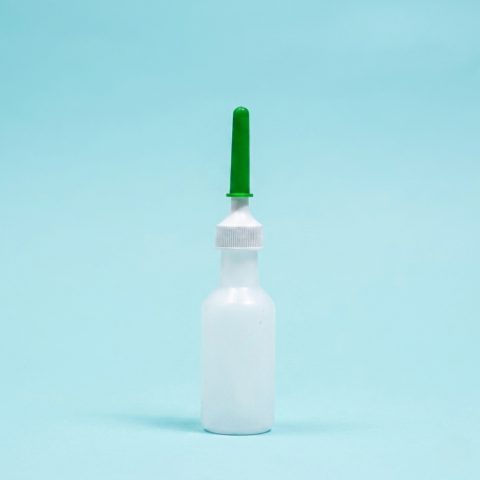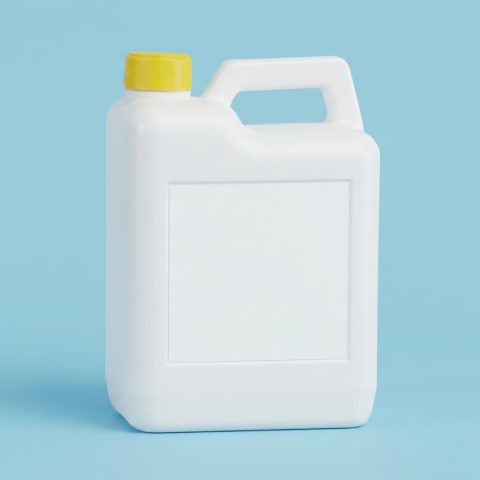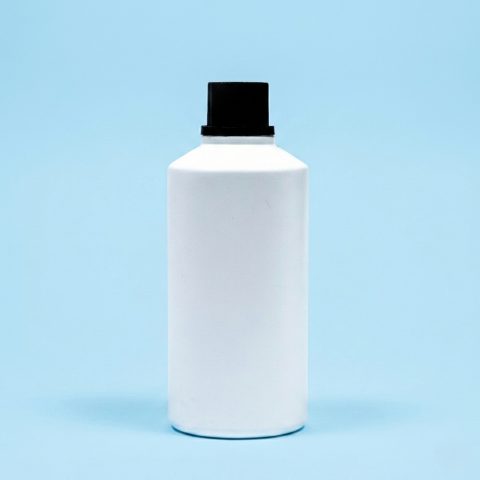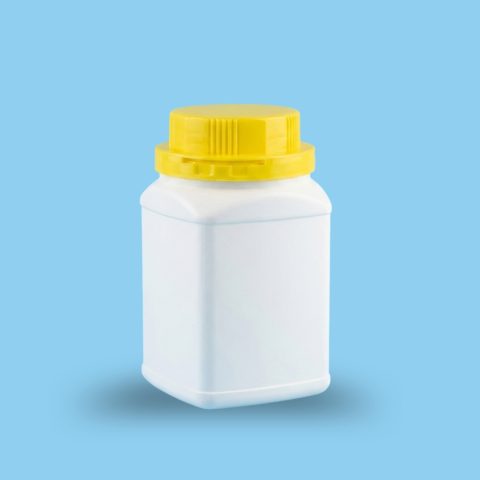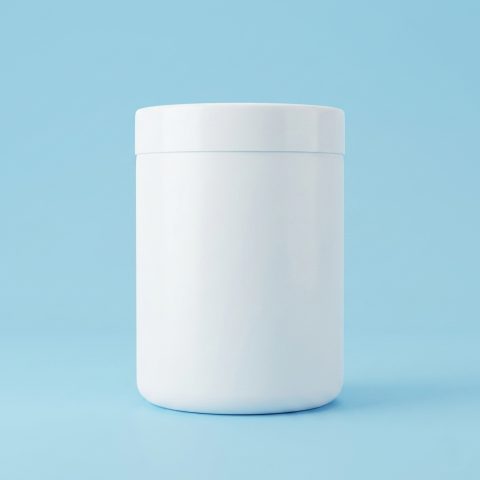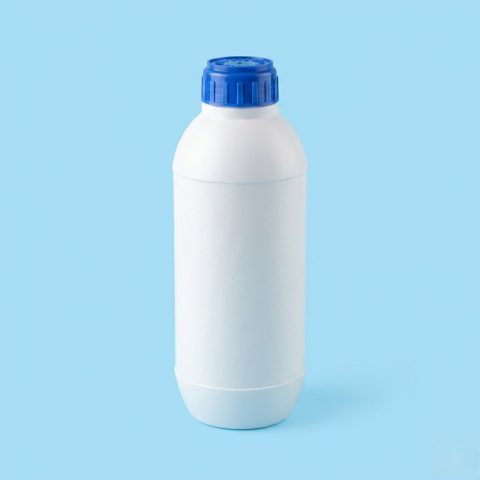
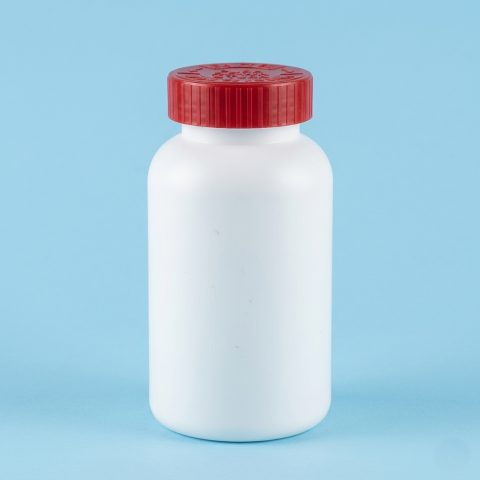
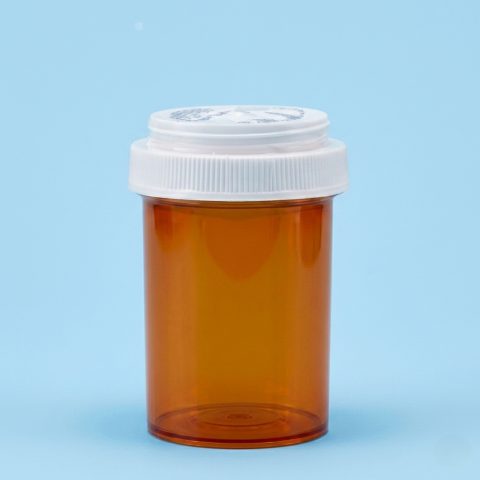
Pharmaceutical HDPE bottles include round syrup and dry-syrup bottles (30 ml to 1 litre), tablet containers and pill bottles (30 cc to 900 cc), child-resistant (CRC) bottles, prescription vials (9 to 60 dram), square powder jars (50 g to 2 kg) and enema bottles. HDPE is used because it is unbreakable, light, chemical-resistant and a strong moisture barrier.
Most medicine bottles in India and around the world are made from HDPE (high-density polyethylene). It is light, does not break, resists most chemicals and keeps moisture away from tablets and powders. This guide explains the main types of pharmaceutical HDPE bottles, the usual sizes and what to check before you choose one.
Main types of pharmaceutical HDPE bottles
| Type | Typical sizes | Used for |
|---|---|---|
| Round syrup and liquid bottles | 30 ml dry syrup bottle up to 1 litre | Syrups, suspensions, dry syrups, liquid orals, antacids |
| Tablet containers and pill bottles | 30 cc to 900 cc, and by tablet count | Tablets, capsules, softgels, nutraceuticals |
| Child-resistant (CRC) bottles | Selected tablet containers and jars | Medicines and supplements that must be kept away from children |
| Prescription vials | 9 to 60 dram (about 33 to 222 ml) | Pharmacy dispensing, mainly for USA and Canada |
| Pharmaceutical square jars | 50 g to 2 kg | Powders, granules, bulk tablets |
| Enema bottles | 60 ml to 200 ml | Rectal solutions with a soft squeeze body |
Why HDPE is the standard for medicines
- Moisture barrier: protects tablets and powders from humidity.
- Chemical resistance: suits most oral liquids, antiseptics and veterinary medicines.
- Unbreakable: no glass breakage on the filling line, in transit or at home.
- Light protection: white or coloured HDPE blocks light for light-sensitive products.
- Lower freight cost: much lighter than glass.
For a full comparison with PET, read HDPE vs PET bottles for pharmaceutical packaging.
Closures for pharmaceutical bottles
- Screw caps with an induction-seal wad for a tamper-evident, leak-proof seal
- Child-resistant "push down and turn" caps
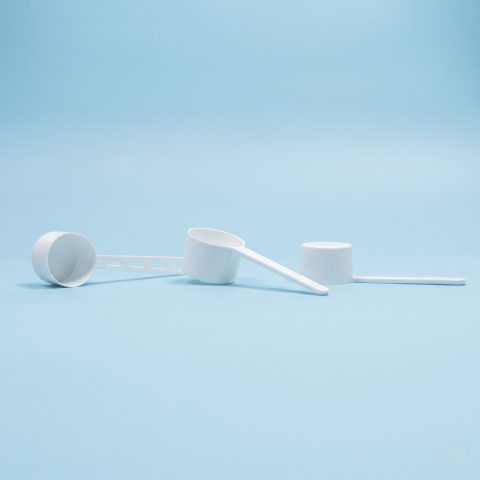
- Measuring caps for syrups
- LDPE inner plugs for liquids
What to check before choosing a supplier
- Quality system: ISO 15378 for primary pharmaceutical packaging.
- Material: virgin resin with USP Class VI and TSE/BSE declarations.
- Neck and cap fit: bottle and cap from the same manufacturer avoids leaks and capping problems.
- Samples and line trials: test on your own filling and capping machines.
- Documents: drawings, specifications and a certificate of analysis per batch.
Our step-by-step buyer's checklist and ISO 15378 guide explain these in detail.
Pharmaceutical bottles from Modern Plaspack
Modern Plaspack LLP has made HDPE bottles in Chhatral GIDC, Gujarat since 1987. Our pharmaceutical range is produced in a clean room to ISO 15378 using virgin resins, with matching caps moulded in-house. See the pharmaceutical packaging range or ask for samples.
Frequently asked questions
What are pharmaceutical bottles made of?
Most are made of HDPE (high-density polyethylene); clear bottles are often PET. Caps are usually PP or HDPE.
What sizes do pharmaceutical HDPE bottles come in?
Liquid bottles typically range from 30 ml to 1 litre, tablet containers from 30 cc to 900 cc, and powder jars from 50 g to 2 kg.
Which standard applies to pharmaceutical bottles?
ISO 15378 covers primary packaging for medicines. Buyers also ask for USP Class VI and TSE/BSE material declarations.