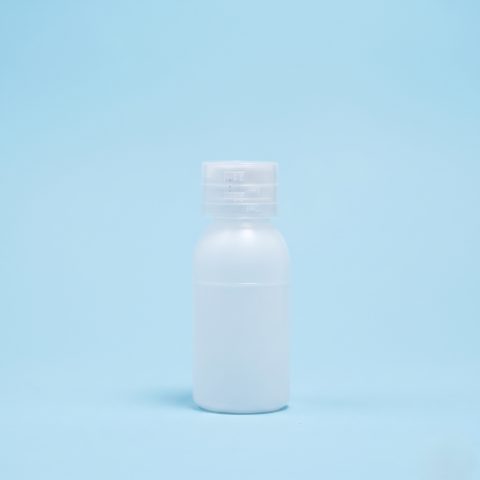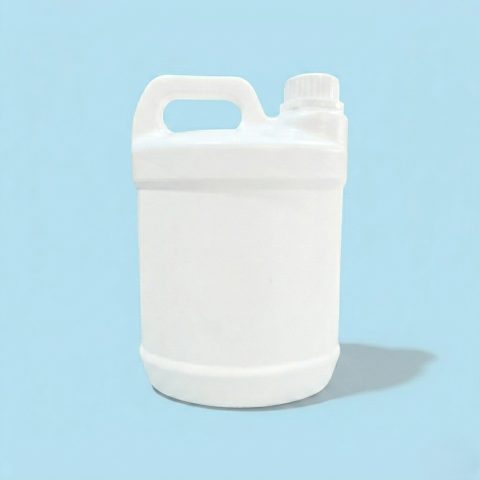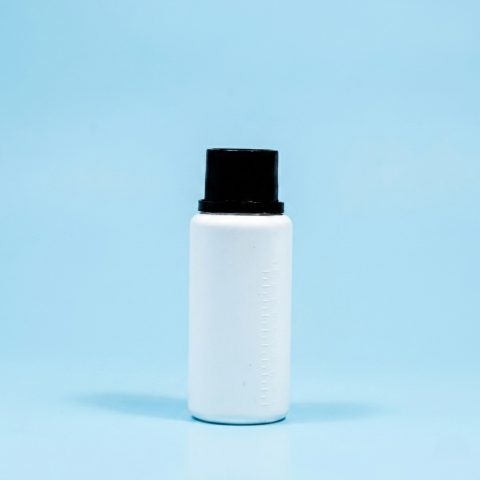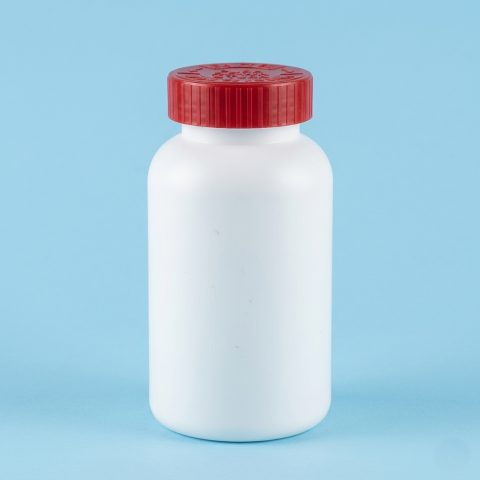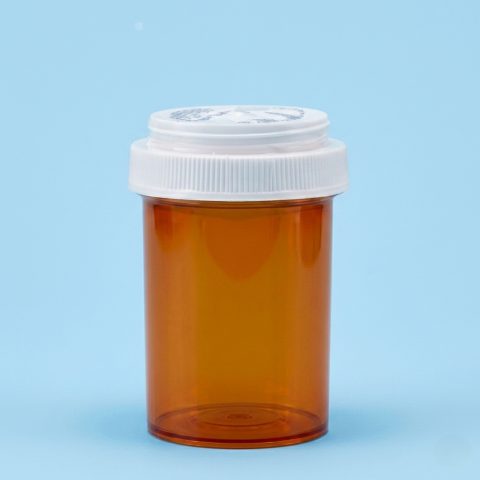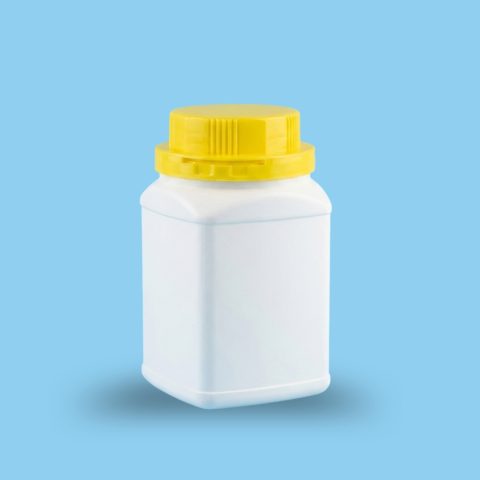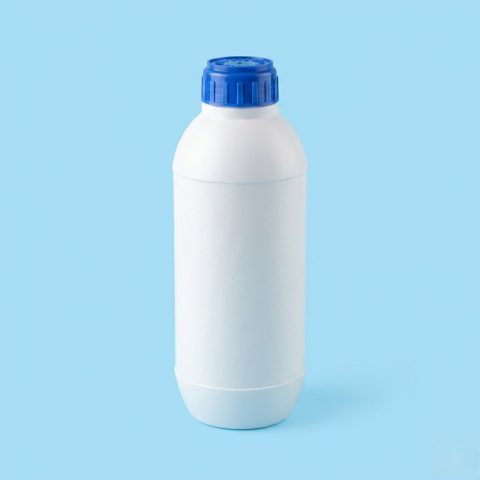
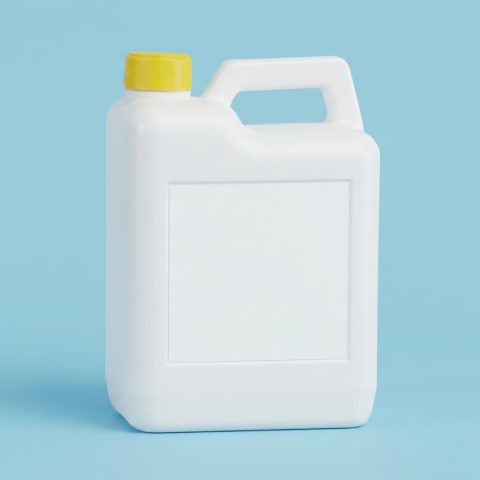
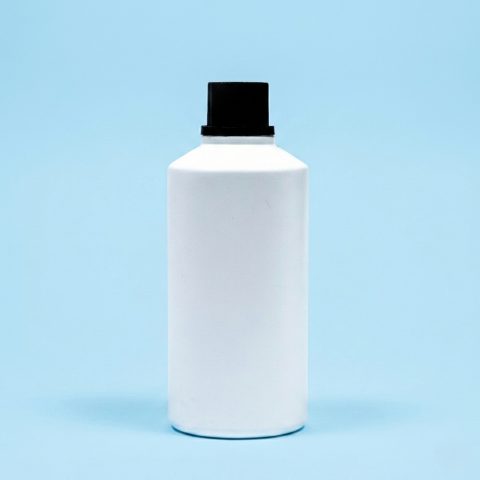
HDPE chemical bottles resist most acids, alkalis, detergents and water-based chemicals, which makes them the standard for chemical packaging. They are not recommended for strong oxidisers or aromatic and chlorinated solvents without a barrier layer. Always test your formulation in the bottle before bulk use.
HDPE is the most common plastic for chemical bottles because it resists most acids, alkalis and water-based chemicals and does not shatter like glass. But not every chemical suits HDPE, and the bottle, cap and liner must work together.
Which chemicals is HDPE good for?
| Chemical group | HDPE suitability |
|---|---|
| Dilute and many strong acids (e.g. hydrochloric, phosphoric) | Generally good |
| Alkalis (e.g. caustic soda solutions) | Generally good |
| Water-based agrochemicals and fertilisers | Good |
| Detergents and disinfectants | Good; use stress-crack resistant grades |
| Aromatic and chlorinated solvents | Not recommended in plain HDPE; consider a barrier bottle and test first |
| Strong oxidisers (e.g. concentrated nitric acid) | Not recommended |
This table is general guidance only. Always test with your own formulation.
Popular chemical bottle sizes
- 1 litre chemical bottle and 2.5 litre chemical bottle with heavy walls for laboratory and industrial chemicals
- Round bottles from 100 ml to 1 litre for agrochemicals and cleaners
- Black cap bottles for chemicals and lubricants
- Jerry cans from 500 ml to 10 litres for larger volumes
- The 250 ml 4-layer bottle for solvent-based products that need a barrier
Caps and liners for chemicals
- Inner plug + screw cap: simple and strong for most liquids.
- Induction-seal wad: a welded foil seal for leak-proof transport and tamper evidence.
- Vented liner: for products that release gas, such as some peroxide solutions.
How to test compatibility
- Fill sample bottles with your chemical and close them as you would in production.
- Weigh them, then store some at room temperature and some in a warm place (for example 40–50 °C) for 2–4 weeks.
- Check weight loss, bulging or collapsing walls, cracks, leaks and colour change.
More detail is in our guide to monolayer vs 4-layer barrier bottles.
Chemical bottles from Modern Plaspack
We make HDPE chemical bottles, jerry cans and matching caps in Gujarat, India, and supply chemical and agrochemical companies in India and abroad. See the chemical packaging range or send us your product details for a recommendation and samples.
Frequently asked questions
Is HDPE safe for chemicals?
For most acids, alkalis and water-based chemicals, yes. Strong oxidisers and many solvents need a different material or a barrier bottle.
What sizes are HDPE chemical bottles?
Common sizes are 100 ml to 1 litre bottles, heavy-wall 1 litre and 2.5 litre chemical bottles, and jerry cans up to 10 litres.
How do I test chemical compatibility?
Fill samples, store some warm for 2–4 weeks and check for weight loss, deformation, cracks and leaks.