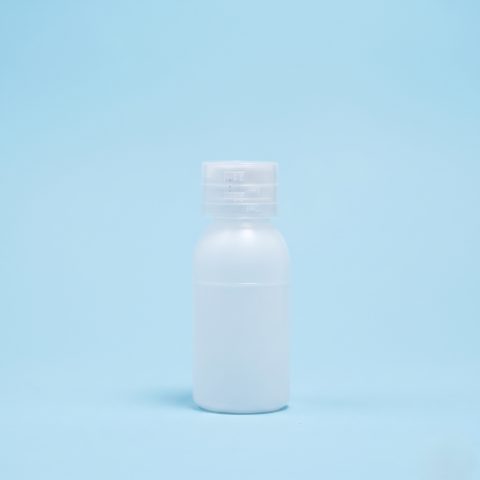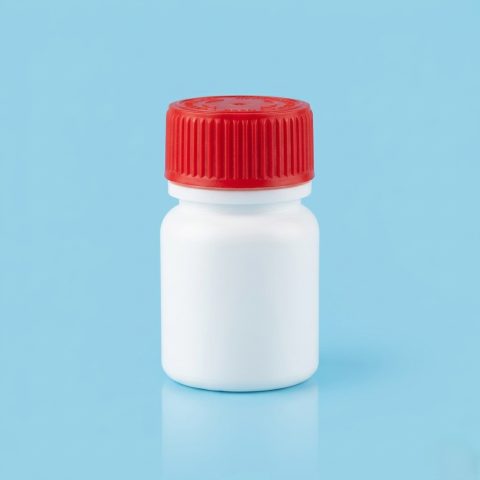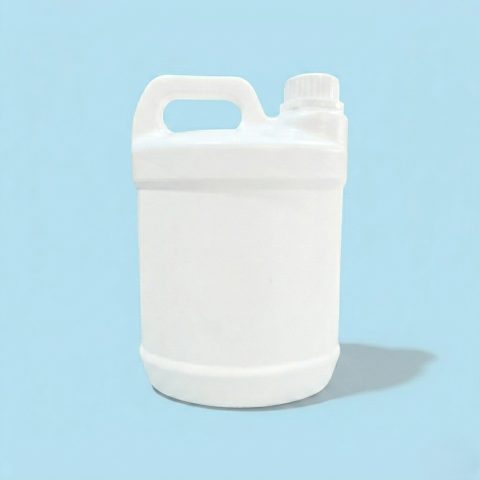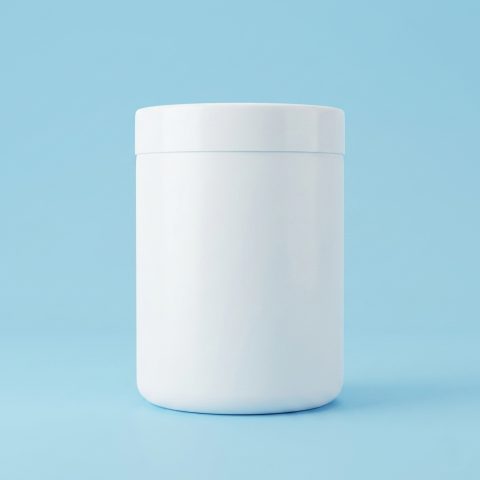
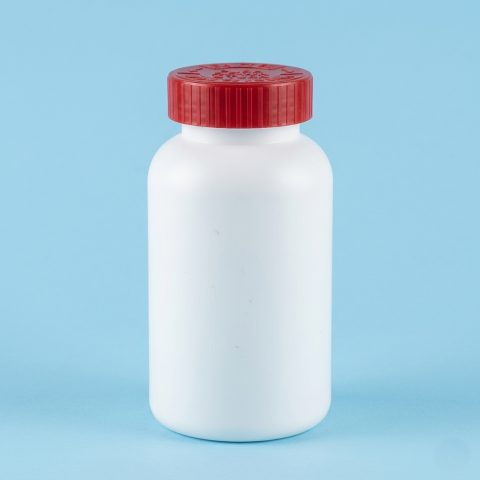
A plastic bottle specification lists filling capacity, bottle height and outside diameter, mouth (neck) size, bottle weight, cap dimensions and material, each with a tolerance such as ±0.5 mm. The neck and height are the most critical dimensions for filling and capping; weight indicates wall strength and cost.
Every bottle on our product pages has a specification table. Knowing what each line means helps you choose the right bottle, compare suppliers fairly and avoid problems on your filling line.
A real example: 250 ml round bottle
| Specification | Value | What it means |
|---|---|---|
| Filling capacity | 250 ml | The amount of product it is designed to hold, leaving headspace |
| Bottle height | 126.75 mm | Check it fits your filling machine and carton |
| Bottle height with cap | 131.45 mm | Total height for carton and shelf planning |
| Bottle OD | 61.50 mm (±0.5 mm) | Outside diameter; affects labelling and change parts |
| Bottle mouth | 46.32 mm (±0.5 mm) | Neck opening; decides which cap fits and how fast you can fill |
| Bottle weight | 35 g (±5 g) | Amount of plastic; affects strength and cost |
| Cap OD / height / weight | 53.85 mm / 24.05 mm / 9.8 g | Cap size for capping heads and the look of the pack |
| Material | HDPE bottle and cap | Check compatibility with your product |
See this bottle and others on the round bottles page.
Filling capacity vs brimful capacity
Filling capacity (nominal) is what you put in. Brimful capacity is the volume when filled to the very top. The difference is the headspace, which allows for foaming, heat expansion and a clean seal. If your product expands in hot weather, choose a bottle with more headspace.
Why bottle weight matters
A heavier bottle generally has thicker walls: stronger in drops and stacking, but more expensive. A lighter bottle saves plastic and cost but must still pass your drop and top-load tests. Ask for the weight range, not just a single number.
Neck and cap: the most critical dimensions
Most leaks and capping problems come from the neck. Check the neck diameter, thread and the flat "sealing land" on top. For induction seals and child-resistant caps, the neck must match the cap exactly, which is why buying both from one manufacturer helps. Read our cap liner and induction sealing guide.
Tolerances
"±0.5 mm" means each bottle can be up to half a millimetre bigger or smaller than the stated size. Tight tolerances matter most for the neck, the height (for filling heads) and the diameter (for labelling and change parts).
Checklist when comparing bottles
- Same filling capacity and similar brimful capacity
- Bottle weight range
- Neck size and cap type
- Height and diameter with tolerances
- Material of bottle, cap and any inner plug
For sizes across bottles, jars and cans, see the size guide. Need full drawings? Ask us.
Frequently asked questions
What is the difference between filling and brimful capacity?
Filling capacity is the nominal amount of product; brimful is the volume filled to the top. The difference is the headspace.
Why does bottle weight matter?
Heavier bottles usually have thicker, stronger walls but cost more.
What does ±0.5 mm tolerance mean?
Each bottle can be up to 0.5 mm larger or smaller than the stated dimension.