Veterinary products come in many forms: liquid tonics, dewormers, liquid calcium, boluses, mineral mixtures and powders. Each needs a container that protects the product and is easy for farmers and vets to use.
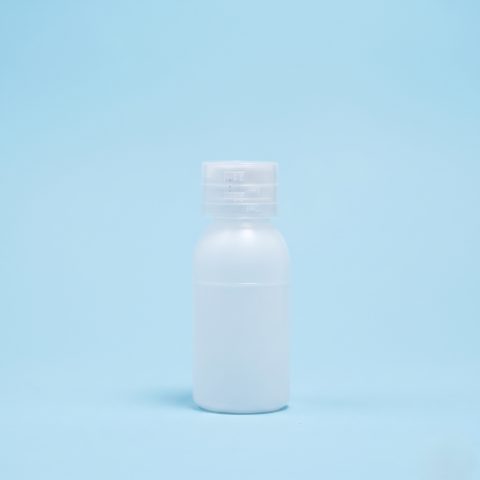
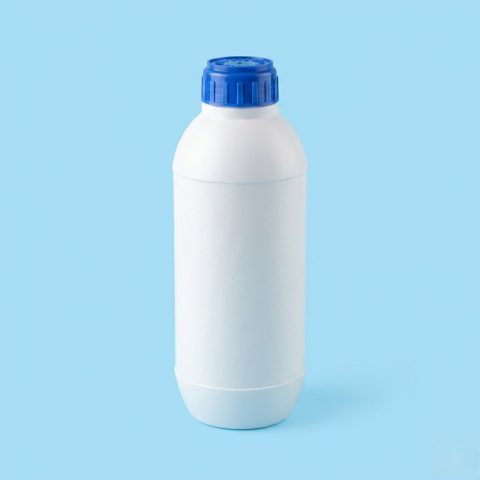
1. Round HDPE bottles (100 ml – 1 litre)
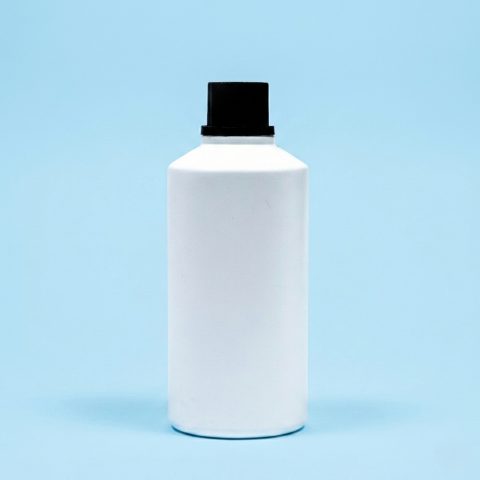
The most common format for liquid veterinary medicines and tonics. HDPE is tough, resists many chemicals and does not shatter, which matters on farms. See round bottles.
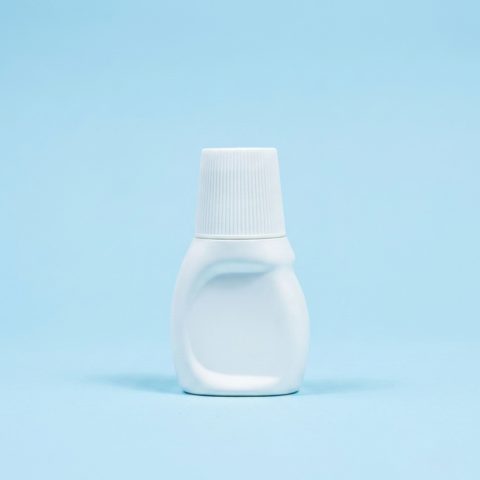
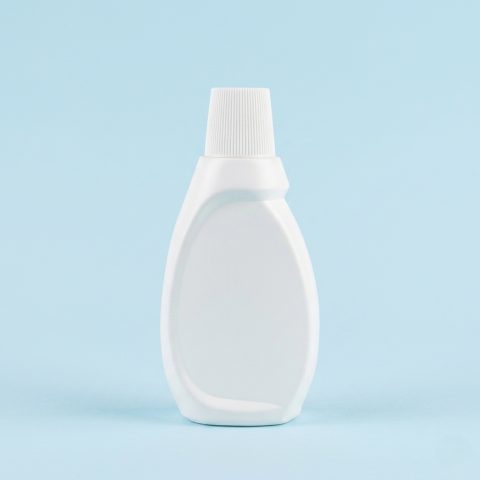
2. Flat bottles
Flat bottles give a large label panel for dosage instructions and pack efficiently in cartons. See flat bottles.
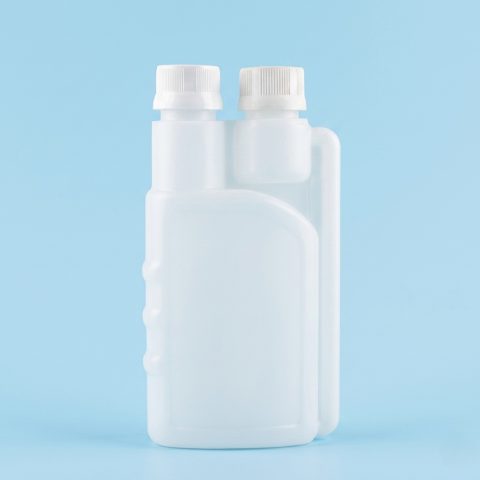
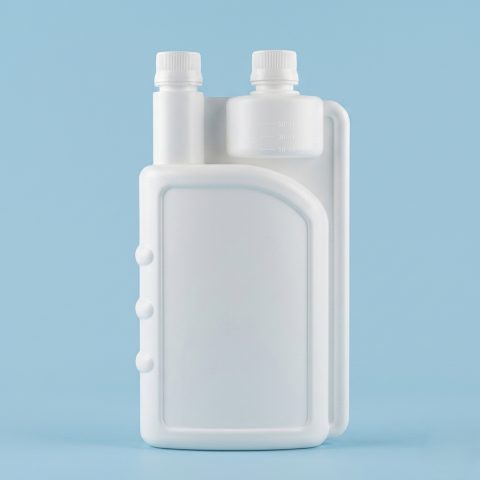
3. Twin neck dosing bottles
These have a built-in measuring chamber, so the farmer can measure an exact dose before pouring. That makes them ideal for concentrated products. See twin neck bottles.
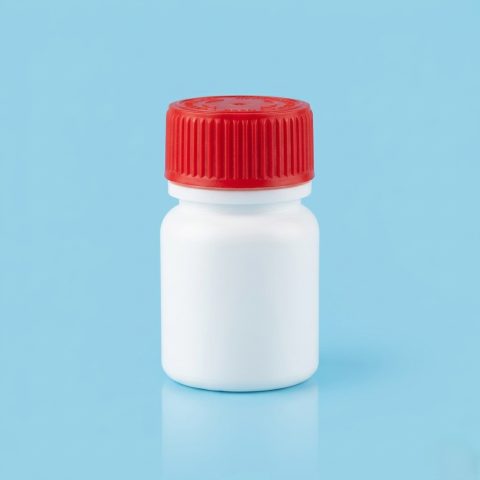
4. Bolus (boli) containers
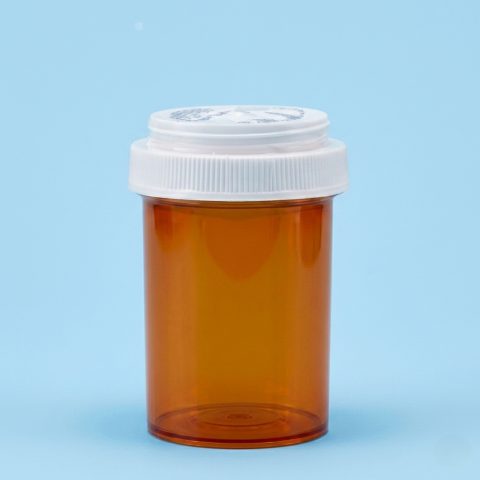
Large veterinary tablets (boluses) need wide-mouth containers sized by count, for example 5 or 10 boli. See tablet and bolus containers.
5. Powder jars (100 g – 2 kg)
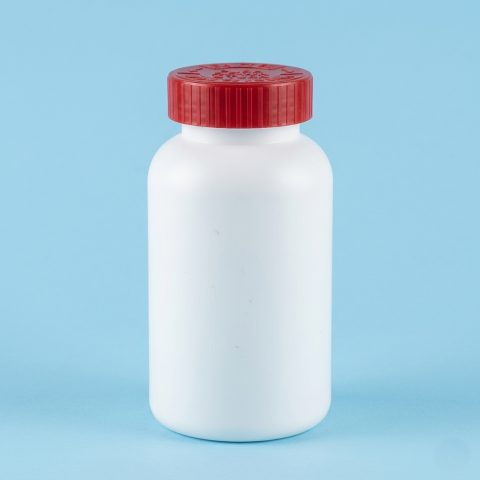
Mineral mixtures, premixes and feed supplements are usually packed in HDPE round or square jars with wide mouths for scooping. See round jars.
6. Milk cans and jerry cans for bulk liquids
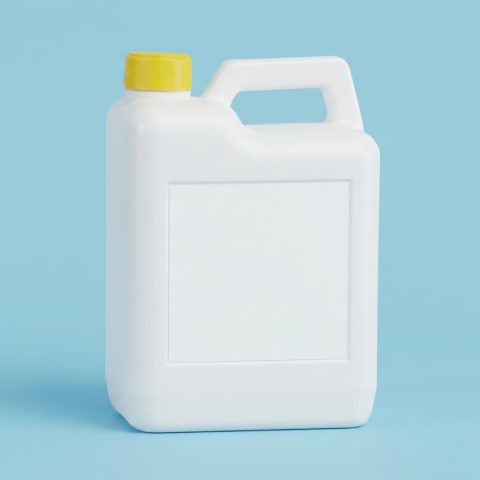
Liquid calcium and feed supplements for dairy farms are often sold in 5, 10 or 20 litre cans. See milk cans.
How to choose
- Match the dose and pack size to how the product is used on the farm.
- Check chemical compatibility with your formulation.
- Choose tamper-evident caps for medicines.
- Make sure the label area fits dosage and regulatory text.
Read more about our veterinary packaging range.