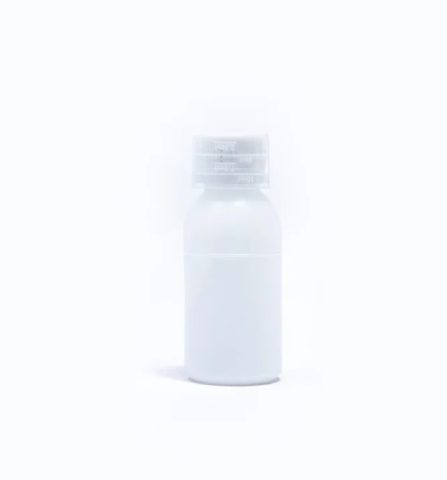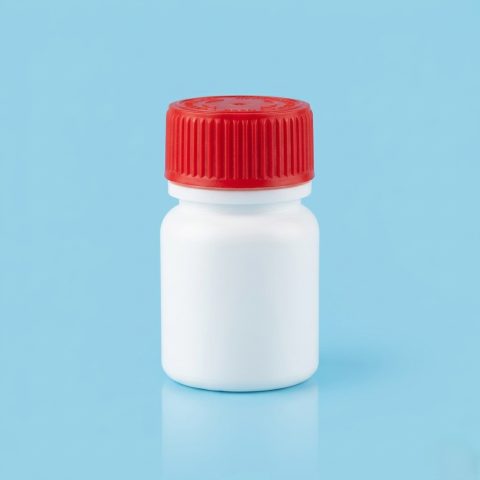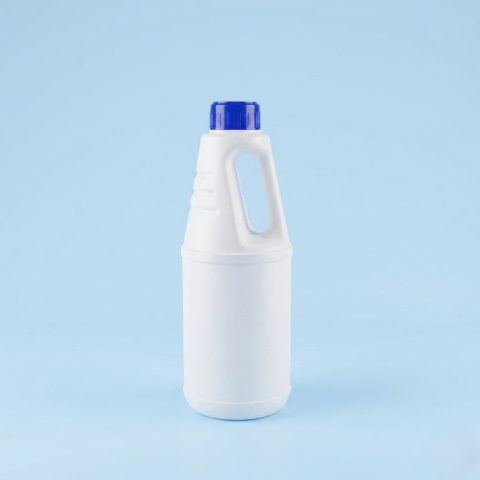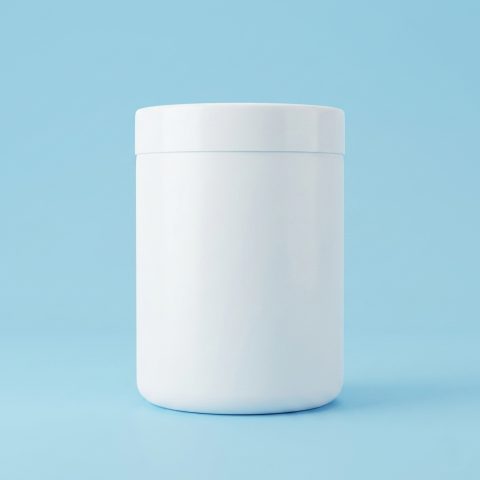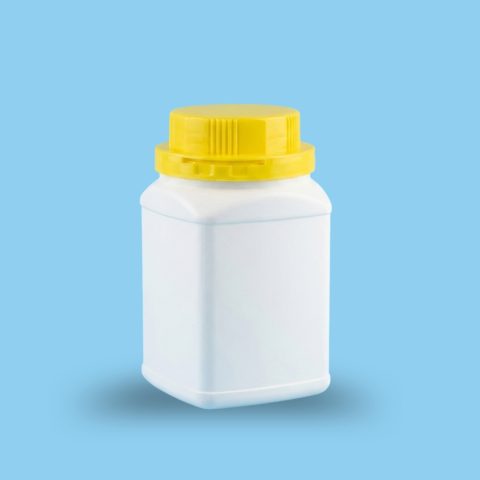
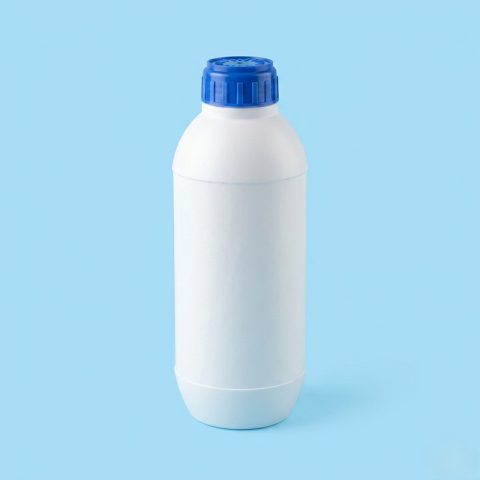
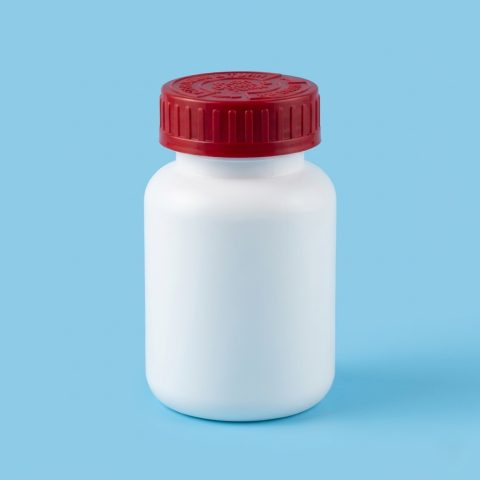
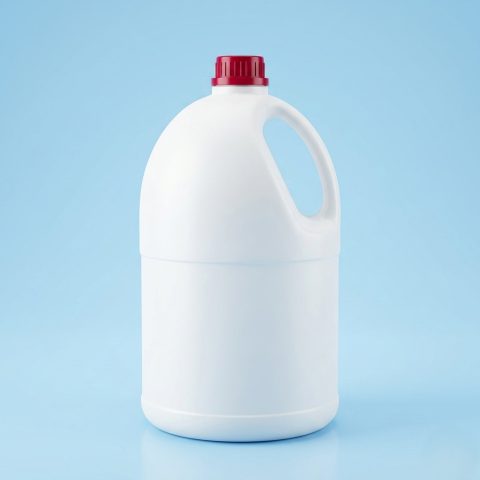
A single pack often uses more than one plastic. A typical liquid bottle set has an HDPE bottle, an HDPE or PP cap and a soft LDPE inner plug. Each material is chosen for the job it does.
Short answer
- HDPE for bottles, jars and jerry cans: strong, light, opaque and resistant to most chemicals.
- LDPE for inner plugs and wads: soft and flexible, so it seals tightly.
- PP for some caps and containers: rigid, with good heat resistance.
- PET for some containers that need clarity, so the product can be seen.
HDPE (high-density polyethylene)
HDPE is the main material in Modern Plaspack's range. It resists most acids, alkalis and solvents used in medicines and agrochemicals, it does not shatter, and it is a good moisture barrier. Natural HDPE is translucent white, and it can be coloured or made opaque to protect light-sensitive products.
LDPE (low-density polyethylene)
LDPE is softer and more flexible than HDPE. That makes it ideal for inner plugs that press into the bottle neck to stop leaks and drips. Many of our bottle sets list an LDPE inner with the HDPE bottle and cap.
PP (polypropylene)
PP is stiffer than polyethylene and handles higher temperatures. It is common for screw caps, flip-top caps and some tablet containers.
PET (polyethylene terephthalate)
PET is clear and glossy, like glass but lighter and unbreakable. It is used where customers want to see the product. It is a weaker barrier against some solvents than HDPE, so compatibility should be checked.
How to choose
- List what is in your product: water-based, oily, solvent-based, acidic or alkaline.
- Decide whether it needs light protection or should be visible.
- Run a compatibility and leak test with samples, at the storage temperatures your product will see.
Learn more about our quality and material credentials, or ask us which material suits your product.